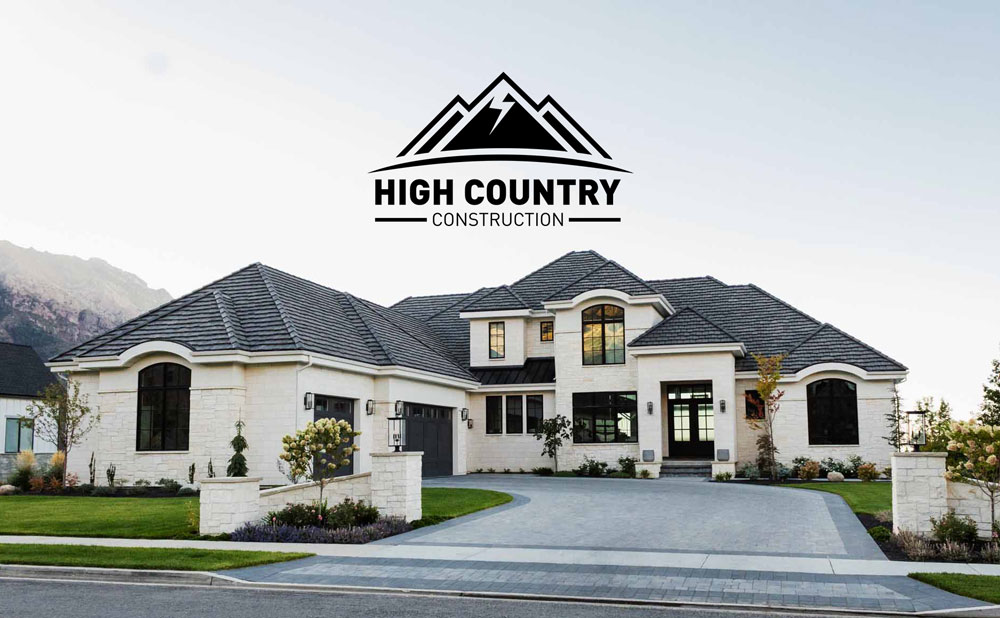
Your home’s exterior serves as the first line of defense against the elements. Whether it’s a hailstorm, heavy rain, extreme heat, or freezing cold, the materials you choose for your home’s exterior can make a significant difference in how well it withstands extreme weather conditions. In regions like Heber City, Park City, and other areas in Wasatch County, choosing durable, weather-resistant materials for your home’s exterior is essential to keeping your family safe, your home comfortable, and your property value intact.
In this post, we’ll explore how the right siding, roofing, windows, insulation, and foundation materials can protect your home from the harshest weather conditions, and why working with an expert contractor is key to ensuring a job well done.
1. The Role of Weather-Resistant Siding: Defending Against Rain, Snow, and Wind
Siding is one of the most important exterior components when it comes to protecting your home from extreme weather. The siding is the primary barrier against rain, snow, and moisture, which can lead to severe issues like mold, mildew, and structural damage.
- Vinyl siding is one of the most popular choices for homeowners in areas like Heber City, Midway, and Park City, thanks to its excellent resistance to moisture. It won’t warp, rot, or corrode, making it ideal for regions that see frequent rainfall or snow. Vinyl siding also sheds water quickly, preventing it from seeping into your home’s structure.
- Fiber-cement siding, another durable option, provides added protection against moisture, wind, and hail. It’s a go-to choice for homeowners in Utah, especially in areas where severe weather conditions are common. Fiber-cement is also fire-resistant, which is an added benefit for areas that are at risk of wildfires.
- Wood siding, while a beautiful and timeless option, can be susceptible to water damage if not properly maintained. However, when treated with water-resistant coatings, wood siding can withstand the elements. This option is often chosen by homeowners in Draper and Alpine who prefer the rustic, natural look but are willing to commit to regular maintenance.
Choosing the right siding material for your home is crucial for safeguarding it against rain and moisture, and to ensure the long-term integrity of your home’s exterior.
2. Impact-Resistant Roofing: Protecting Your Home from Wind, Hail, and Extreme Temperatures
The roof is arguably the most vulnerable part of your home during extreme weather conditions. High winds, hail, and heavy rain can all wreak havoc on a poorly constructed or outdated roof. That’s why it’s important to invest in a roof that can handle everything mother nature throws at it.
- Metal roofing is known for its incredible durability and wind resistance. With the potential to withstand wind speeds of up to 140 mph, metal roofing is ideal for homes in areas like Alpine, Draper, and St. George, where strong winds are common. Additionally, metal roofs are highly resistant to hail, shedding water quickly and preventing leaks.
- Asphalt shingles are a more budget-friendly option for homeowners, and while they may not be as durable as metal roofing, they are still a great choice for protecting against rain and wind. Asphalt shingles are also effective at regulating temperature and preventing water damage.
- Clay and concrete tiles are another excellent choice for homeowners in places like Mapleton or St. George, where high temperatures are common. These materials are fire-resistant, provide excellent insulation, and offer superior protection against the elements.
Investing in a roof that’s suited to your area’s weather patterns can help keep your home dry and secure during extreme storms.
3. Insulation: Keeping Your Home Comfortable in Extreme Temperatures
Insulation plays a vital role in maintaining a comfortable indoor temperature, no matter what’s happening outside. Extreme temperatures—whether freezing cold or scorching hot—can wreak havoc on your home’s energy efficiency, but the right insulation can help regulate your home’s interior climate.
- Spray foam insulation creates an airtight seal, preventing hot or cold air from entering the home. This is especially beneficial in areas like Heber City and Midway, where temperatures can fluctuate significantly between seasons. Spray foam also offers moisture resistance, preventing water from infiltrating your walls and attic.
- Fiberglass insulation is a traditional option that’s still highly effective at regulating temperature. While it may not provide the same airtight seal as spray foam, fiberglass is still a popular choice for homes in Park City and Alpine, where cold winters and hot summers are common.
- Rigid foam board insulation is another great choice, especially for areas where extreme cold or heat is a concern. It provides excellent protection against moisture and temperature extremes, ensuring that your home remains energy-efficient and comfortable.
With the right insulation, you can reduce your energy costs while ensuring that your home stays comfortable regardless of the weather outside.
4. Windows and Doors: The Importance of Energy Efficiency and Weather Protection
Your home’s windows and doors are a critical point of entry for both weather and energy loss. If not properly sealed or constructed, windows and doors can lead to drafts, leaks, and ultimately increased energy bills.
- Impact-resistant windows are ideal for areas like St. George and Draper, where high winds and storms are common. These windows are designed to withstand the impact of flying debris during a storm, while also offering excellent insulation to keep your home temperature-regulated.
- Energy-efficient windows can help your home retain heat during the winter and stay cool during the summer, which is especially important in regions like Heber Valley or Park City, where temperatures can vary widely throughout the year. Look for windows with low-E coatings, double-paned glass, and gas fills for the best performance.
- Hurricane-rated doors provide an additional layer of protection, especially for homes in high-wind areas. These doors are made with impact-resistant glass and strong materials that can withstand strong winds and prevent water infiltration.
Ensuring that your windows and doors are properly installed and constructed will help prevent drafts, water damage, and energy loss while keeping your home secure during extreme weather events.
5. Foundations: Preventing Flooding and Erosion
Your home’s foundation is critical for protecting it against flooding and erosion, particularly in areas prone to heavy rains or snowmelt. A well-designed foundation ensures that water is properly directed away from your home and doesn’t cause water damage or undermine the structure.
- Concrete foundations are a solid choice for homes in flood-prone areas, as they provide excellent stability and resistance to water. In areas like Alpine, Highland, and Mapleton, where snowmelt can cause rising water levels, a properly sealed and elevated foundation will help prevent flooding.
- Raised foundations are another great option, particularly in flood-prone areas. These foundations elevate your home above ground level, providing an added layer of protection from rising water and ensuring your home stays dry even during periods of heavy rain or snow.
When building or renovating your home, be sure to consult with an expert to ensure your foundation is designed to handle the environmental challenges unique to your area.
6. Fire-Resistant Materials: Protecting Against Wildfires
Wildfires are an increasing concern, especially in states like Utah, where dry conditions and strong winds make homes more vulnerable to fire. Choosing fire-resistant materials for your home’s exterior can significantly reduce the risk of fire damage.
- Fiber-cement siding and stucco are both fire-resistant materials that can help protect your home from spreading flames. These materials are non-combustible and can prevent the fire from reaching your home’s interior.
- Stone and brick are also excellent fire-resistant options that provide a natural barrier against heat and flames, making them ideal for homes in areas like Park City and St. George, where wildfires are a concern.
By choosing fire-resistant exterior materials, you can help protect your home from wildfires and reduce the risk of devastating damage.
Conclusion: Protect Your Home with the Right Exterior Materials
Your home’s exterior is your first defense against extreme weather, and choosing the right materials can make all the difference in how well your home survives harsh conditions. Whether it’s weather-resistant siding, impact-resistant roofing, energy-efficient windows, or a strong foundation, each exterior element plays a vital role in protecting your home.
If you’re ready to upgrade your home’s exterior to better withstand extreme weather, High Country Construction is here to help. Our expert team specializes in installing durable, high-quality exteriors that offer superior protection from the elements. Contact us today for a consultation and let us help you build a home that stands the test of time.