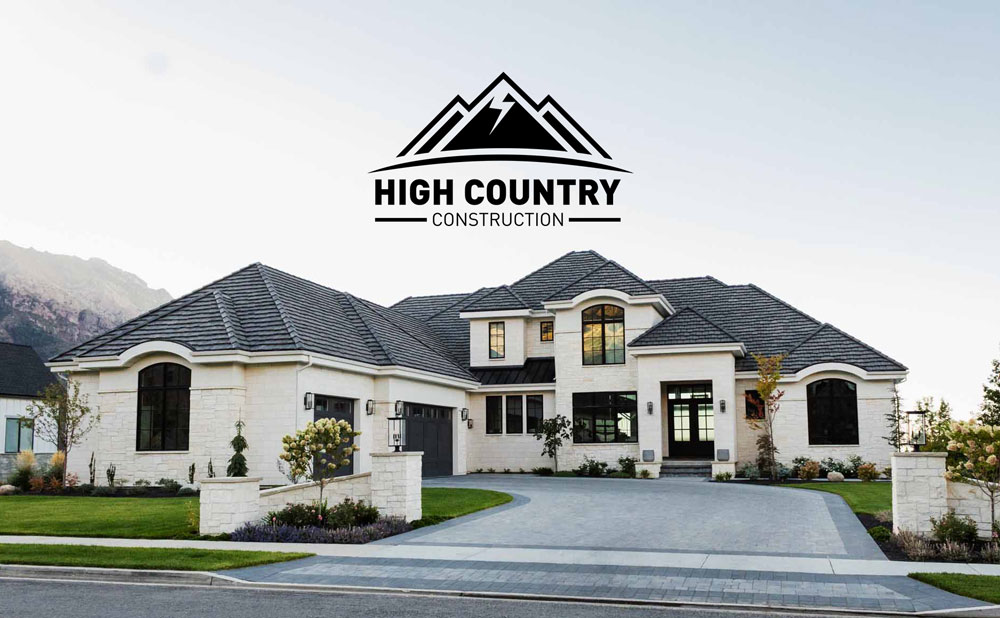
Exterior home remodeling is one of the most impactful investments a homeowner can make—and in Utah, it’s especially important. From snowy winters in Heber and Park City to hot, dry summers in St. George, Utah’s diverse climate puts a lot of pressure on your home’s exterior. The right upgrades don’t just make your home look better; they protect it, improve energy efficiency, and increase long-term value.
Whether you’re just starting to explore ideas or actively planning a remodel, this ultimate guide will walk you through everything you need to know about exterior home remodeling in Utah—what to prioritize, which materials perform best, and how to make smart decisions that pay off.
Exterior home remodeling includes any improvements made to the outside of your home. This often includes:
Unlike interior projects, exterior remodeling serves both aesthetic and protective purposes. Your exterior is your home’s first line of defense against weather, moisture, pests, and temperature swings.
Utah homes face unique challenges due to climate and geography. Exterior remodeling isn’t just about looks, it’s about performance.
Homes in Wasatch County and Summit County deal with:
Southern Utah homes face:
Choosing the right exterior materials helps your home stand up to these conditions year after year.
Old or damaged siding allows air leaks, which means higher heating and cooling bills. New siding, especially when paired with proper insulation and house wrap, can significantly improve energy efficiency—something every Utah homeowner can appreciate.
Exterior remodeling consistently ranks as one of the highest ROI home improvement projects. Updated siding, stone accents, and a polished exterior can dramatically increase curb appeal and resale value, especially in competitive markets like Park City, Alpine, and Draper.
Siding is the foundation of your home’s exterior. Common siding options in Utah include:
Many Utah homeowners choose to mix siding materials to create contrast and highlight architectural features.
Stone veneer is one of the most requested exterior upgrades in Utah. It adds instant character and works beautifully with mountain, modern, and farmhouse styles.
Common applications include:
Stone veneer offers the look of natural stone without the heavy cost or structural requirements.
Trim details are often overlooked but make a huge difference in the finished look of a home. Updating trim, soffit, and fascia can:
Exterior remodeling is also the perfect time to address issues like:
Fixing these problems during a remodel prevents expensive repairs down the road.
Not all materials perform equally in Utah’s climate. Here’s what to consider:
Look for materials that resist:
Fiber cement and stone veneer are top performers across most Utah regions.
If you want a low-maintenance exterior, vinyl, fiber cement, and stone veneer are excellent options. Wood siding, while beautiful, requires regular sealing or painting.
Homes in Park City and Heber often lean toward mountain-modern or rustic styles, while homes in Draper, Alpine, and Mapleton may favor farmhouse or traditional designs. Choosing materials that fit the local aesthetic helps your home feel cohesive and timeless.
Costs vary depending on:
Here are rough estimates:
While exterior remodeling is a significant investment, it often pays for itself through energy savings, reduced maintenance, and increased home value.
Before choosing colors or materials, inspect your current exterior for damage, moisture issues, or structural concerns.
Decide what matters most:
This helps guide material choices and project scope.
Trendy designs come and go, but durable materials and timeless color palettes last. Choose options you’ll still love 10–20 years from now.
While small exterior repairs can sometimes be DIY-friendly, full exterior remodeling is best left to professionals. Improper installation can lead to:
Hiring an experienced Utah exterior contractor ensures your remodel is built to withstand local weather and meet building codes.
Local contractors understand:
They also bring local experience that out-of-state contractors simply can’t match.
Avoiding these mistakes can save thousands over the life of your home.
Most exterior remodeling projects take:
Weather, material availability, and home size can affect timelines, especially during Utah’s busy construction seasons.
Absolutely. Exterior home remodeling is one of the smartest investments Utah homeowners can make. It protects your home from the elements, improves comfort and efficiency, and dramatically boosts curb appeal and value.
Whether you live in Wasatch County, Park City, Heber City, Alpine, Draper, or St. George, the right exterior upgrades can transform how your home looks and performs for decades.
If you’re considering exterior home remodeling in Utah, working with a trusted, experienced contractor makes all the difference. A well-planned exterior remodel doesn’t just change your house—it elevates your entire living experience.
If you’ve ever driven past a gorgeous home in Heber City or seen one of those jaw-dropping mountain-modern houses in Park City, there’s a good chance you’ve admired stone veneer, whether you realized it or not. Stone veneer has become one of the most popular exterior materials across Wasatch County and surrounding Utah areas, and honestly, it’s easy to see why. You get the look of natural stone, the durability homeowners want, and the cost savings everyone appreciates.
But what exactly is stone veneer? How does it compare to real stone? And is it really a good option for your home’s exterior?
This complete guide breaks everything down in a super simple, educational, and friendly way so you feel confident choosing the right materials for your exterior remodel.
Let’s dive in!
Stone veneer is a lightweight, decorative exterior (or interior) material designed to mimic the look of natural stone. Think of it as a “thin slice” of stone, except these days, you can choose from two types:
This option is made by taking real stone and cutting it into thin, lighter pieces. You get the authentic stone texture, color variation, and natural beauty, but at a fraction of the weight and cost of full-sized stone.
Also called “faux stone,” manufactured stone veneer is created using cement, pigments, and lightweight aggregates molded to look like real stone.
Modern MSV looks shockingly real, sometimes even more consistent and attractive than natural stone. It’s also typically more affordable and easier to install.
Here in Utah, especially in places like Heber, Midway, Park City, and throughout Wasatch County, stone veneer has become a big design favorite. That’s because it checks several important boxes:
Stone veneer instantly elevates curb appeal. It’s the perfect way to add a high-end, mountain-modern look without breaking the bank.
It’s significantly lighter than full stone, meaning:
That’s a win-win-win.
Stone veneer pairs well with:
It’s extremely versatile.
Considering Utah gets snow, ice, wind, sun exposure, and big temperature swings, stone veneer is built to handle it, especially when installed correctly.
Pretty much anywhere! That’s part of the charm.
Stone veneer brings luxury to any space without the heavy structural requirements.
Both materials are great, it really comes down to what you value most. Here’s a quick comparison:
| Feature | Natural Stone Veneer | Manufactured Stone Veneer |
| Cost | Higher | Lower |
| Weight | Light | Lighter |
| Appearance | 100% natural | Incredibly realistic |
| Color Variation | Naturally varied | Controlled & consistent |
| Durability | Extremely high | High (if installed properly) |
| Maintenance | Very low | Low |
Most homeowners in Wasatch County go with manufactured stone veneer because it offers the best balance of price, beauty, and performance.
Whether you’re refreshing your home in Heber or updating a property in Park City, stone veneer is considered a high-ROI upgrade. It increases curb appeal instantly and signals quality to buyers.
With the right installation, stone veneer stands up to:
That makes it a strong choice for Utah’s extreme winters and hot summers.
Compared to full stone, you save on:
It delivers the look of stone without the stone-sized invoice.
A simple rinse with water is usually all it needs. No sealing required unless you choose to.
Stone veneer is the perfect accent to tie together multiple siding materials, especially:
Homeowners often want to understand what installation really looks like. Here’s the simplified overview:
The contractor ensures the wall is ready, adding weather barriers and metal lath if needed.
A scratch coat is applied and allowed to set.
Each piece is carefully set using mortar, like a puzzle that needs to look natural.
Mortar joints are filled, struck, or styled based on your design.
Once dry, the stone is cleaned and inspected.
A high-quality installation makes all the difference, which is why hiring a professional contractor is essential, especially in Utah’s climate.
A quality-installed stone veneer system typically lasts 50+ years.
Yes, fifty!
Natural stone can last even longer, and manufactured stone veneer lasts decades with proper maintenance and installation.
Absolutely. Stone veneer is an excellent choice for areas with:
However, proper installation is critical. Poor installation is the main reason for issues like cracking or moisture problems. Always hire an experienced siding contractor familiar with Utah building standards.
Stone veneer is low maintenance, but here are a few easy tips to keep it looking great:
High pressure can damage the surface or loosen stones.
That’s usually all it needs.
Never use harsh chemicals.
Look for cracks, missing mortar, or areas where snow and water collect.
Pricing can vary based on:
But here are good Utah averages:
For homeowners wanting the sophisticated stone look without the steep price tag, manufactured veneer is the go-to.
In almost every case, yes.
Stone veneer gives you:
Especially in Wasatch County and Park City, where stone exteriors are expected and admired, stone veneer can drastically elevate your home’s appearance.
Yes! Stone veneer has one of the highest returns on investment of any exterior siding upgrade. Homes with stone accents sell faster and often at higher prices.
Most stone veneer lasts 50+ years. Natural stone can last a lifetime.
Stone veneer itself is water-resistant, but the installation behind it determines how waterproof the system is. With the right moisture barrier and drainage plane, stone veneer performs beautifully in wet and snowy climates like Utah.
Absolutely. Stone pairs beautifully with fiber cement, wood, metal, and stucco, and many Utah homes use it as an accent material.
If you want a siding option that is durable, timeless, beautiful, and budget-friendly, stone veneer is a fantastic choice. It continues to be one of the most popular exterior materials across Heber City, Midway, Park City, and Wasatch County because it delivers incredible value and instantly boosts curb appeal.
Whether you're renovating, building new, or just updating the front of your home, stone veneer is a smart investment that pays off visually and financially.
If you want help choosing the right style, color, or stone texture, or you want an expert installation done right the first time, your local exterior professionals at High Country Construction are ready to help.
When it comes to updating your home’s exterior, siding is one of the biggest decisions you’ll make. It impacts everything from curb appeal to energy efficiency, durability, and even resale value. But if you’ve never replaced siding before, you probably have a lot of questions. At High Country Construction, we’ve heard all sorts of questions from homeowners in Heber Valley to those in Park City, Draper, Alpine, and even as far south as St. George. That’s why we’ve pulled together this comprehensive guide to answer the most common house siding questions in a clear, helpful, and easy-to-understand way.
The answer depends on your priorities. Vinyl siding is affordable and low-maintenance, making it a top choice for many homeowners. Fiber cement siding is prized for its durability, fire resistance, and ability to mimic wood or stone. Stone veneer siding is a premium option that offers natural beauty and excellent longevity. In mountain towns like Park City and Heber, where snow and sun exposure are both intense, many homeowners lean toward fiber cement or stone veneer for maximum durability. Down south in St. George, vinyl or metal siding may perform well because they handle heat and dry climates efficiently. Utah has a range of climates, meaning choosing the best siding in Utah depends on your climate and your budget. Professionals at High Country Construction can help you better answer this question based on your individual needs.
The lifespan of siding varies by material.
Choosing the right siding also depends on how much maintenance you’re willing to do. For instance, wood siding requires staining or sealing every few years, while vinyl and fiber cement need far less upkeep.
Yes, siding can improve your home’s energy performance, especially if you opt for insulated vinyl siding or add a house wrap beneath your siding. These upgrades help regulate indoor temperatures by keeping cold drafts out in the winter and heat out in the summer. In Wasatch County and Summit County, where winters are cold and summers can get hot, an energy-efficient siding choice can help you save on utility bills year-round.
Vinyl siding is often considered the easiest siding to maintain since it only requires occasional cleaning with soap and water. Fiber cement siding is also low-maintenance compared to wood, as it resists rot, pests, and warping. Stone siding requires very little maintenance but comes with a higher initial cost. For homeowners who want something beautiful that won’t require much upkeep, vinyl and fiber cement are the top contenders.
The cost of siding depends on both the material and the size of your home. Here’s a rough breakdown (these prices are approximations and can change based on certain factors):
While stone and fiber cement siding come with higher upfront costs, many homeowners find the long-term durability and reduced maintenance expenses well worth the investment.
Absolutely. Curb appeal is one of the first things potential buyers notice, and siding plays a huge role in making your home look polished and well-maintained. According to remodeling industry reports, homeowners can recoup a large portion of their siding investment when selling their home—sometimes up to 80%. In areas like Park City or Alpine, where homes are often luxury properties, stone or fiber cement siding can add significant value.
Yes, the right siding is a first line of defense against the elements. Fiber cement siding holds up well in snowy, wet climates like Heber Valley. Vinyl siding performs in a variety of climates but can warp in extreme heat if not installed correctly. Stone siding is nearly indestructible, which makes it an excellent choice for withstanding high winds, snow, and temperature swings. Proper installation is just as important as the material—poorly installed siding won’t protect your home as effectively.
It depends on the material. Vinyl siding comes in pre-finished colors that never need painting. Fiber cement siding can be pre-finished or painted to your preference. Wood siding requires regular painting or staining every 3–7 years. Stone siding never needs painting but can be sealed for extra protection.
Yes, some siding materials, especially when paired with insulation, can reduce outside noise. Fiber cement and stone veneer siding offer the best soundproofing because of their thickness and density. If you live near a busy road in Draper or Alpine, this can be a big advantage.
For most siding projects, yes. While DIY siding installation may look tempting, improper installation can lead to warping, gaps, moisture damage, or even voided warranties. Professional contractors—like our team at High Country Construction—ensure siding is installed to manufacturer specifications and customized to your home. This guarantees a longer lifespan, better protection, and a polished look.
Choosing siding for your home is a big decision, but it doesn’t have to be overwhelming. Whether you’re looking for a low-maintenance option like vinyl, a durable choice like fiber cement, or a luxury upgrade like stone veneer, there’s a siding material that fits your needs and budget. And in Utah—whether you’re in Wasatch County, Summit County, Utah County, or Washington County—it’s important to pick siding that can handle everything from snowstorms to scorching summer heat.
At High Country Construction, we specialize in exterior remodeling and siding installation across the state. If you have more questions or you’re ready to get started on transforming your home, we’d love to help. Contact us today for a consultation!
When most people think of siding, they picture one material covering the entire exterior of a home. Vinyl siding that wraps all the way around, stone that gives a sturdy and timeless look, or stucco that creates a seamless surface. But what if you didn’t have to choose just one? More and more homeowners in Utah and across the country are discovering that using multiple siding materials on the same home can dramatically improve curb appeal, highlight architectural features, and even add to long-term durability.
In this post, we’ll walk through why mixing siding materials might be right for your home, the design possibilities it opens up, and how to make smart choices that fit both your style and budget.
One of the clearest advantages of using multiple siding materials is visual interest. A home clad entirely in one material can look flat or uninspired, especially if the color is all the same. By combining materials like stone with fiber-cement, or brick with vinyl, you can create contrast, highlight different sections of your home, and give it that custom-designed look that turns heads in the neighborhood.
Mixing siding is a fantastic way to emphasize your home’s best features. Some examples include:
When combined thoughtfully, the right mix of siding materials can make your home look like it belongs on the cover of a design magazine.
Not all sides of your home face the same challenges. Some walls take the brunt of Utah’s sun exposure, while others see more snow, ice, or wind. By mixing siding, you can strategically place the most durable, weather-resistant materials where you need them most, while saving money by using more cost-effective siding elsewhere.
Homeowners have a lot of creative freedom here, but there are some tried-and-true combinations that work well in Utah neighborhoods:
Every region has its design preferences, and in Utah, you’ll see a wide mix of styles:
Taking cues from your local architecture ensures your home feels unique but still fits naturally into its setting.
While mixing materials can create a high-end look, it doesn’t always mean you’ll spend more. The key is balance. Use premium siding like stone or brick in high-visibility areas (entryways, chimneys, lower sections) and more affordable siding like vinyl or fiber-cement for the rest.
Different siding materials require different levels of upkeep. Stone veneer may need occasional repointing, wood will require sealing, and vinyl usually just needs washing. By combining materials, you can reduce overall maintenance while still getting the look you want.
Utah’s climate varies a lot—from snowy Wasatch winters to the hot, dry summers of Southern Utah. Fiber-cement is great for withstanding temperature swings, while stucco performs well in dry climates. When you mix siding, think about how each material will perform on your specific lot.
Mixing siding materials isn’t just about style. It can add real value to your home:
Q: Does mixing siding materials increase home value?
Yes. Homes with thoughtfully designed exteriors often appraise higher and sell faster, especially in upscale markets.
Q: How many siding materials is too many?
Two is the sweet spot, three can work with a skilled designer, but four or more usually feels busy.
Q: Is it more expensive to mix siding?
Not necessarily. You can use premium materials in small sections while covering larger areas with cost-effective siding.
Choosing to use multiple siding materials is more than just a design trend—it’s a smart, practical, and long-lasting choice for homeowners across Utah. From Heber to St. George, the right blend of stone, stucco, wood, and fiber-cement can protect your home, highlight its unique features, and give you a look you’ll love for years to come.
If you’re considering exterior remodeling or siding installation in Wasatch County, Park City, or anywhere in Utah, our team at High Country Construction is here to help. We’ll walk you through your options, show you real examples, and help design a home exterior that’s not only beautiful but built to last.
When you’re considering a siding upgrade or new home build in places like Heber, Park City, or anywhere in Wasatch County, the choice of exterior material can be one of the biggest decisions you’ll make. The right siding impacts your home’s curb appeal, durability, resale value, and overall maintenance costs for years to come. Is stone siding worth the investment?
Yes, it is one option that consistently stands out in Utah’s mountain communities—and for good reason. But is it really worth the investment? Let’s break down the costs, benefits, and long-term value so you can make an informed choice.
Stone siding comes in two main types:
Both can give your home that timeless, upscale look that blends beautifully with the surrounding mountain landscape of Wasatch County.
Pricing for stone siding can vary widely depending on material type, labor rates, and project size.
In comparison, vinyl siding often ranges from $7–$12 per square foot, and fiber cement siding ranges from $10–$20. This means stone siding is definitely an upfront investment—but it’s one that can pay off.
Homes in Heber and Park City often embrace the rustic, lodge-inspired style that’s perfect for mountain living. Stone siding naturally fits this aesthetic, creating a warm, inviting, and high-end look that never goes out of style.
Utah’s climate brings snow, ice, heavy winds, and intense summer sun. Stone siding can handle it all. It’s:
Unlike wood siding that needs regular painting or staining, stone siding requires minimal upkeep. Occasional rinsing to remove dust and debris is typically all it needs.
Stone is a natural insulator. When installed with proper backing and sealing, it can help keep your home warmer in winter and cooler in summer, potentially lowering energy bills.
According to national remodeling reports, stone veneer consistently offers one of the highest returns on investment (ROI) among exterior upgrades—often 80–90% recouped at resale. In high-demand housing markets like Wasatch County, stone siding can make your home stand out and sell faster.
Stone siding can be especially worthwhile if:
While stone siding has major benefits, it might not be the best fit if:
In areas like Park City, Heber, and Midway, homes often lean into natural, earthy designs. This means stone siding doesn’t just add beauty—it adds local appeal that aligns with buyer expectations.
Example ROI Scenario:
If you spend $30,000 on manufactured stone veneer for your home, and the project boosts your property value by $25,000, plus reduces annual maintenance costs by $300–$500, you’re looking at strong long-term value—especially in a competitive housing market.
1. What are the disadvantages of stone siding?
While stone siding offers many benefits, the main drawbacks are the higher upfront cost and the weight of the material, which may require additional structural support during installation. In some cases, installation can also take longer compared to lighter siding materials.
2. Does stone siding increase home value?
Yes — stone siding can significantly boost your home’s curb appeal and resale value. Many buyers are willing to pay more for homes with stone exteriors due to their timeless beauty, durability, and low maintenance needs.
3. What is the life expectancy of stone siding?
Properly installed and maintained stone siding can last 50 years or more. In many cases, it outlasts the home itself, making it one of the most durable exterior options available.
Conclusion
Stone siding isn’t the cheapest option, but for Wasatch County homeowners, it often delivers exceptional value over time. Its combination of durability, timeless beauty, and strong resale potential make it a smart investment—especially if you plan to enjoy your home for years to come.
Whether you’re building a new home in Heber, remodeling a ski retreat in Park City, or upgrading your Wasatch County property, our team can help you choose the right stone siding style, handle expert installation, and make your investment last.
Stone siding is a beautiful, durable choice for home exteriors. Whether you have natural stone or manufactured stone veneer (MSV), it adds texture, charm, and serious curb appeal. But like all exterior materials, stone siding benefits from regular maintenance to keep it looking its best and functioning properly over the long haul. In this comprehensive guide, we’ll walk through how to clean, seal, and maintain your stone siding, while answering common questions and incorporating useful tips to extend its lifespan.
Before diving into care routines, it's important to understand what type of stone siding you have, because maintenance methods can vary.
Natural stone is cut from real rock—granite, limestone, slate, and fieldstone are common types. It’s long-lasting and incredibly durable but typically heavier and more expensive. Because it's porous, it may need sealing, especially in wet climates.
Made from cement and pigments, MSV mimics real stone but is lighter and more affordable. It typically comes in panel systems or individual stones adhered to a backing surface. MSV requires careful attention to water drainage and sealing to prevent moisture-related issues.
Stone siding is often considered low maintenance, but "low" doesn't mean "no" maintenance. Dirt, debris, algae, and moisture can all cause discoloration, staining, or even damage over time. Regular upkeep prevents:
Cleaning your stone siding removes dirt, moss, algae, and pollution, restoring its natural beauty. Aim to clean it at least once a year, more often if your home is in a damp or wooded area.
Sealing is a crucial part of stone siding maintenance, especially for natural stone. It protects the surface from moisture, freeze-thaw damage, staining, and UV fading.
Part of maintaining stone siding is keeping an eye out for signs of wear. A quick visual inspection once or twice a year can help catch issues early.
If you spot issues, contact a siding contractor who specializes in stone. Quick repairs can prevent bigger, more expensive problems down the line.
Stone siding is generally tough against the elements, but weather conditions can still affect its performance over time.
Taking simple preventative steps can prolong the life and appearance of your stone siding:
Q: Can I paint stone siding if it looks faded? A: It’s generally not recommended to paint natural or manufactured stone, as it can trap moisture and cause peeling. If your stone looks dull, consider a color-enhancing sealer instead.
Q: What is efflorescence, and how do I remove it? A: Efflorescence is a white, powdery deposit of salts left behind when moisture evaporates. It can be cleaned with a dry brush or a gentle stone cleaner designed for efflorescence removal.
Q: How long does stone siding last? A: Natural stone can last 75+ years with proper care. Manufactured stone typically lasts 40-50 years.
Q: Can I pressure wash stone siding? A: Use caution. Always use low pressure and a wide-angle nozzle. Test in a small, hidden area first to avoid damaging mortar or surface finishes.
Stone siding is one of the most attractive and durable options you can choose for your home’s exterior. With proper cleaning, sealing, and inspection, you can protect your investment and ensure it stays looking beautiful for decades. Whether you have natural stone or manufactured veneer, regular care goes a long way in preventing damage and preserving curb appeal.
Don’t wait for visible damage to appear. By following these maintenance tips and staying proactive, your stone siding will continue to add timeless beauty and lasting value to your home. If you're ever unsure about how to handle a repair or maintenance task, consulting with a professional siding contractor is always a smart move.
Stone siding is one of the most eye-catching and durable exterior cladding options available to homeowners today. With its timeless beauty, natural appeal, and exceptional durability, stone siding is increasingly popular for both traditional and modern homes. But is it the right choice for your home? In this post, we’ll walk you through everything you need to know about stone siding—why it’s a good option, how it's installed, and how it performs in various weather conditions.
Stone siding is an exterior wall covering made from either natural stone or manufactured stone veneer. It can be applied to the entire facade of a home or used as an accent feature around entryways, columns, or lower walls. Whether you're going for a rustic lodge feel or a sleek, modern look, stone siding offers versatile design possibilities.
There are two primary types:
There are several compelling reasons to choose stone siding for your home:
Stone siding offers a natural, timeless appearance that enhances curb appeal and adds character. Its texture and color variations make every installation unique.
Both natural and manufactured stone are incredibly durable. They can withstand high winds, heavy rain, snow, and even fire. Stone siding resists rot, pests, and fading far better than many other materials.
Stone siding requires minimal maintenance. You won’t need to paint or seal it frequently, and occasional cleaning with water and mild detergent is usually enough to keep it looking great.
Installing stone siding can increase your home’s value thanks to its longevity and high-end appearance. It’s an investment that pays off in both style and resale potential.
The installation process can vary depending on whether you're using natural stone or manufactured stone veneer, but generally follows these steps:
The existing wall surface is cleaned and prepped. For manufactured stone, a moisture barrier and metal lath are typically installed to provide a secure base.
A mortar mix is applied to the lath or backing surface. This acts as the adhesive for the stone pieces.
Stones are applied by hand, piece by piece. Care is taken to stagger the seams and vary the colors and textures for a natural look.
Grout is applied between the stones (if needed), and the surface is cleaned up. Natural stone may require sealing to protect against stains and moisture.
Because stone siding is heavier than other materials, installation is best handled by professionals to ensure a long-lasting and secure application.
Stone siding is one of the most weather-resistant options you can choose. Here’s how it holds up in different conditions:
When properly installed and maintained, stone siding can last several decades—natural stone can easily last over 75 years, while manufactured stone veneer often lasts 40-50 years or more.
Stone siding is more than just a pretty face. It brings durability, low maintenance, and enduring style to any home exterior. While it may cost more upfront than some alternatives, its longevity and timeless appeal make it a worthwhile investment. Whether you're building a new home or updating an existing one, consider stone siding for a striking, resilient finish that stands the test of time.
Your home exterior is more than just a protective shell — it’s a major part of your home’s personality and curb appeal. Choosing the right materials and design features for your home’s style isn’t always easy, especially when you want it to look beautiful and stand up to Utah’s unique weather conditions.
At High Country Construction, we specialize in helping homeowners across Wasatch County, Park City, Heber, and beyond find the perfect blend of style and strength. In this guide, we’ll walk you through how to choose the right exterior materials and finishes based on your home’s architectural style — and how smart exterior choices can add value, reduce maintenance, and enhance protection.
The right exterior:
Whether you’re building new or remodeling, aligning your exterior with your home’s architecture ensures a timeless, cohesive look.
Sleek, clean lines and minimalist designs define modern architecture.
Best exterior options:
Pro tip: Use cool tones like charcoal, black, or white for modern flair. Mix materials like fiber cement with wood slats or stone for texture and contrast.
Popular in: Draper, St. George, newer developments in Park City
Common in areas like Heber, Midway, and Park City, mountain-style homes embrace natural materials and earthy tones.
Best exterior options:
Pro tip: Choose siding that mimics natural textures but is low-maintenance — like engineered wood or fiber cement with a wood-grain finish.
These classic homes are rooted in tradition and character. You’ll find lots of these in Mapleton, Alpine, and Highland.
Best exterior options:
Pro tip: White, sage, and navy tones with contrasting black or wood trim are trending farmhouse colors right now.
Tudor homes feature dramatic roofs, decorative trims, and charming asymmetry — ideal for a high-end look.
Best exterior options:
Pro tip: Use darker, earthy tones like brown, gray, and burgundy to enhance the European look while blending beautifully with Utah’s landscape.
More common in Southern Utah like St. George, these homes need materials that reflect heat and stand up to sun exposure.
Best exterior options:
Pro tip: Choose light, reflective colors and materials that resist UV damage and won’t crack under intense heat.
Choosing siding is just the beginning. For a polished, high-end look, coordinate all the exterior elements:
Make sure your roofing color complements your siding and trim. In snowy regions like Wasatch County, metal roofs can help with snow runoff and look great with mountain-modern designs.
Trim in contrasting or complementary tones helps define your home’s features. Go bold with dark trim on light siding, or soften the look with wood-toned fascia and soffits.
Your front door is a focal point — use a pop of color or high-end material to make a statement. Dark-framed windows are trending and pair beautifully with nearly any exterior style.
Don’t forget about garage doors! Custom wood-look doors, modern panels, or carriage-style doors can elevate your whole exterior.
Utah’s climate is no joke — hot, dry summers in St. George, heavy snowfall in Heber, and high winds in Park City mean you need materials built to last.
Staying on-trend can add curb appeal and boost resale value. Here are the current top home exterior color trends in Utah:
Local neighborhoods in Heber Valley and Park City are seeing more high-contrast, modern exteriors, while Mapleton and Highland still favor timeless white farmhouses with wood accents.
Choosing the right home exterior isn't just about looks—it's about longevity, weather performance, and value. At High Country Construction, we bring years of experience helping homeowners across Wasatch County, Park City, Alpine, and beyond make smart, beautiful exterior choices.
Whether you’re upgrading your siding, adding stone veneer, or doing a full exterior remodel, we’ll help you select the right materials and design elements that suit your home and Utah’s diverse climate.
Contact High Country Construction today for a free consultation. Our team of skilled professionals is ready to bring your vision to life — with top-quality materials, expert craftsmanship, and honest service.
Hiring a siding contractor is a big decision. The exterior of your home plays a huge role in your home’s curb appeal, energy efficiency, and protection against the elements. With so many options available, choosing the right siding contractor is key to ensuring a smooth, successful project. But how do you know who to trust?
Before you sign on the dotted line, here are important questions to ask to make sure you hire the best contractor for your siding installation or replacement project.
This is one of the most important questions to ask. A reputable contractor will have the proper licenses and insurance to perform work in your area. They should also carry general liability insurance in case of accidents or damage during the project. If a contractor can’t provide proof of these, it’s a red flag and you should consider looking elsewhere.
Ask for references from past clients, and make sure to follow up with them. A reliable contractor will have a portfolio or examples of completed projects that showcase their craftsmanship. Ideally, you should be able to visit homes where the contractor has worked to get a firsthand look at their work.
If they don’t have a portfolio or refuse to provide references, it may be a sign they’re not as experienced or reputable as they claim.
Siding comes in many materials—vinyl, fiber cement, wood, stucco, and more. Each material has its own benefits, so it’s important to understand which will work best for your home’s style, climate, and budget. A knowledgeable contractor will discuss these options with you, taking into account your preferences and the needs of your home.
Ask them questions about the durability, maintenance requirements, weather resistance, and warranty of the materials they recommend.
Understanding the timeline for your siding project is important for planning and expectations. A good contractor should be able to provide an estimated completion date based on the scope of the project and their current workload. Keep in mind that unexpected delays can happen due to weather or material shortages, but your contractor should keep you updated along the way.
Request a detailed estimate that includes both materials and labor costs. This should also include any additional fees for preparation, cleanup, or any unforeseen complications. Be sure to ask if the price is firm or subject to change. If the contractor offers a quote that seems too good to be true, be wary—it could mean they’re cutting corners somewhere, or they may increase the price later.
Make sure the quote includes the cost of both labor and materials so that you aren’t hit with unexpected costs midway through the project.
A trustworthy siding contractor will stand behind their work. Ask if they offer a warranty for their installation and for the materials. Most reputable contractors will offer some kind of guarantee to ensure that your siding installation is done correctly. Be sure to ask the length of the warranty, what it covers, and if there are any exclusions.
Even the best contractors can run into issues during a project. What’s important is how they handle it. Ask about their process for addressing issues that may arise, and ensure they’re committed to resolving problems quickly and fairly. A contractor who is hesitant to answer this question or who avoids it altogether might not be the best fit for your project.
Certain siding projects may require permits or approvals from local authorities. A good contractor will handle all of this paperwork for you and ensure your project is compliant with local regulations. Be sure to ask if the contractor will take care of everything, or if it’s your responsibility.
Never proceed without a written contract. This should include the cost, timeline, materials, and any terms of the agreement. A contract helps protect both you and the contractor. It’s also important that it clearly outlines the scope of work and the warranty details. Make sure you understand everything in the contract before signing.
Clear communication is essential throughout the project. Ask how the contractor plans to keep you updated on progress. Will they have regular check-ins or will you be able to reach them if you have any questions? Make sure their communication methods align with your expectations for staying informed.
Hiring the right siding contractor is essential to ensure your home’s exterior is both beautiful and durable. By asking the right questions, you’ll be able to find a contractor who is experienced, trustworthy, and capable of delivering the quality results you deserve.
At High Country Construction, we specialize in high-quality siding installations and exterior construction services. If you're ready to get started on your home’s transformation, contact us today for a free estimate!
When it comes to upgrading or maintaining the exterior of your home, finding the right contractor is crucial. Whether you’re planning to replace your siding, install new windows, or give your home a complete makeover, choosing a reliable, skilled contractor can make all the difference. With so many options available, how do you know which contractor is the best fit for your project?
Here’s a step-by-step guide to help you find the best home exterior contractor in your area.
Before you even start calling contractors, begin your search with online reviews. Websites like Google, Yelp, and Angie's List can provide valuable insights into the quality of a contractor’s work, customer satisfaction, and reliability. Look for contractors with high ratings and positive feedback, especially those who specialize in home exterior services like siding installation, roofing, or window replacements.
Don’t forget to ask friends, family, or neighbors for personal recommendations. Word-of-mouth referrals are often one of the most reliable ways to find a contractor who’s trustworthy and does great work.
Once you’ve narrowed down your list of potential contractors, it’s time to check their qualifications. The best contractors will be licensed and insured, as these credentials help protect both you and them during the project. A licensed contractor will have met the necessary requirements set by your local municipality, and insurance ensures that you're covered in case of accidents or damage during the job.
Ask for proof of both license and insurance, and double-check that they’re up-to-date. If a contractor can’t provide this, move on to the next option.
Experience matters when it comes to home exteriors. While many contractors may offer a wide range of services, it’s important to choose one who specializes in the type of exterior project you need. Whether you’re looking to install vinyl siding, fiber cement, stone veneer, or replace your windows, hiring a contractor with experience in that specific area will ensure the job is done right.
Ask potential contractors about their experience with your specific type of project. Do they have examples of similar jobs they’ve completed? Can they provide references from past clients?
Don’t settle for the first estimate you receive. Always get multiple estimates from different contractors. This will give you a better idea of the average cost of your project and help you avoid overpaying. When you receive estimates, make sure they’re detailed and include both materials and labor costs.
Be wary of estimates that are significantly lower than others. While you may be tempted by a great deal, the contractor may be cutting corners or using lower-quality materials to keep costs down.
A reputable contractor will stand behind their work with a warranty or guarantee. Ask about the warranty for both the materials and installation. A warranty ensures that any issues arising after the project is complete are addressed promptly without additional cost to you.
Make sure the warranty includes details like the length of coverage, what it includes, and any exclusions. A contractor who doesn’t offer a warranty or who can’t clearly explain their coverage may not be the best choice.
Clear and consistent communication is essential for a smooth exterior project. Pay attention to how the contractor communicates with you during the initial consultation and throughout the bidding process. Do they respond to your emails or phone calls promptly? Are they willing to take the time to answer your questions in detail?
A contractor who is communicative, professional, and respectful of your time is likely to be reliable during the project as well. Good customer service can go a long way when it comes to ensuring the project stays on track and is completed to your satisfaction.
Ask potential contractors for a portfolio of their past work, and make sure to follow up with references. A reputable contractor will have plenty of examples to showcase their expertise. If possible, visit homes where they’ve completed similar projects to get a firsthand look at the quality of their work.
When speaking with references, ask about their experience with the contractor. Did the project stay on schedule? Were there any issues, and if so, how were they resolved? Were they satisfied with the final result?
Choosing a local contractor has many advantages. Local contractors are often more familiar with the specific needs and challenges of the area, such as the climate, local building codes, and trends in home exteriors. Additionally, working with a local contractor can make it easier to get timely service and follow-up if any issues arise.
Supporting a local business also benefits the community, and a local contractor will likely be more invested in providing quality work to build their reputation within the area.
Before you sign a contract, make sure you read and understand all the terms. The contract should clearly outline the scope of the work, the cost, the timeline, and the payment schedule. Make sure all aspects of your project are covered in the contract, and don’t hesitate to ask for clarification on any terms you don’t understand.
Be cautious of any contractor who asks for a large upfront payment or who is unwilling to provide a written agreement.
Finally, trust your instincts. If something doesn’t feel right during the consultation or if the contractor is difficult to communicate with, it may be a sign to keep looking. Choosing the right contractor for your home exterior project is about building trust and ensuring that you’re comfortable with the team working on your home.
Finding the best home exterior contractor is a crucial step in any siding, roofing, or exterior remodel project. By doing thorough research, asking the right questions, and reviewing portfolios and references, you can find a contractor who meets your needs and delivers exceptional results.
If you're looking for a trusted exterior contractor with years of experience in the Utah area, High Country Construction is here to help! We service many areas in Utah including Heber City, Provo, St George, Draper & more. Contact us today for a free consultation and to discuss your home exterior needs.